
Complex Child Arrangements Mediation
A mediator and psychotherapist can help families resolve problems together
By Jacqueline Marks and Susan Baldock of The Mediation Space
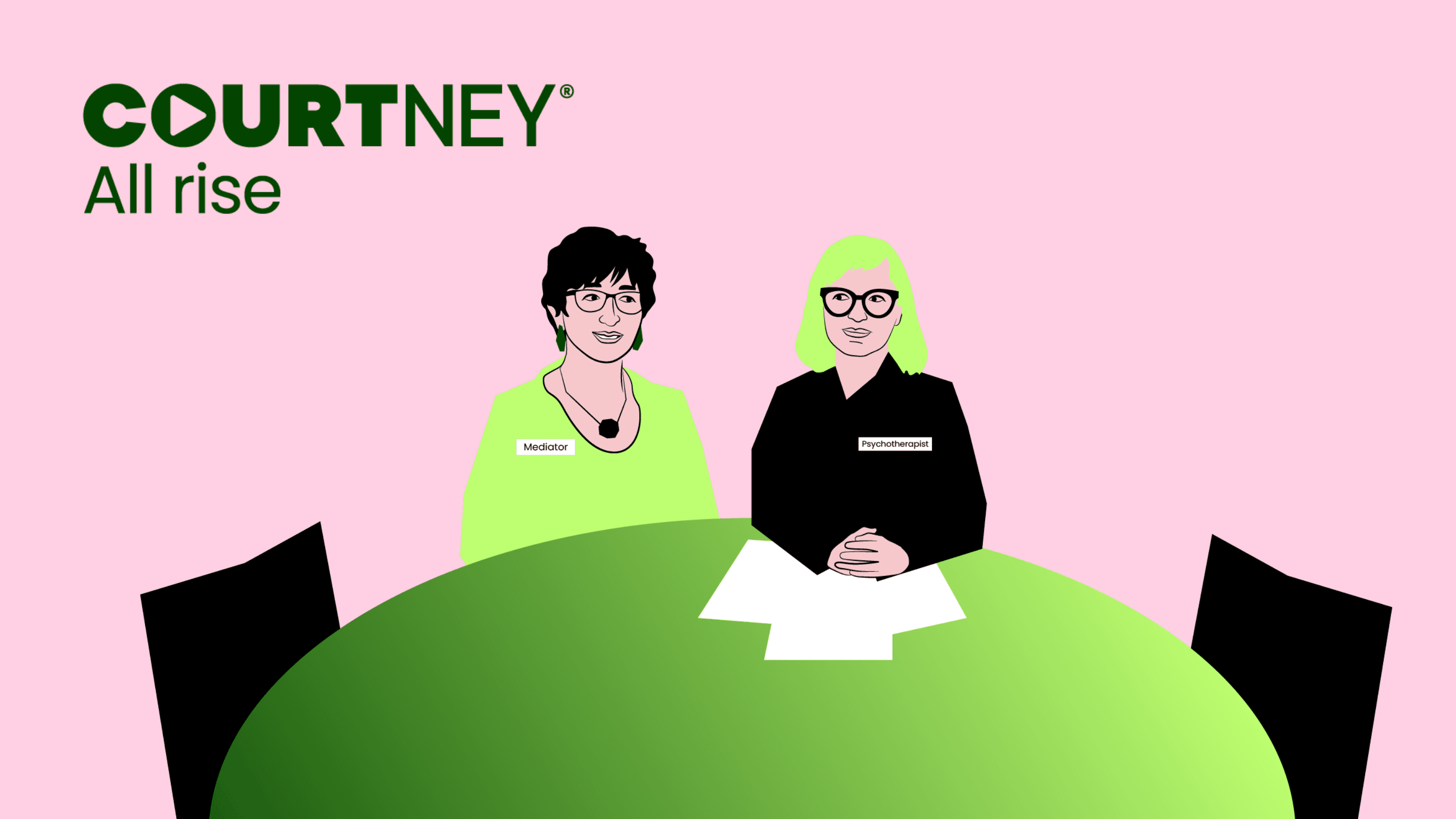
Family mediation can involve conversations which are facilitated by both a mediator and psychotherapist to resolve child arrangements. This model can help families focus on common objectives, that are best for the children, rather than encouraging polarised positions.
When a relationship breaks down, parents and wider family members often struggle with strong emotions which can impact the welfare of children. Sometimes there are starkly differing accounts about what led to the end of a relationship. Feelings of loss, sadness, anger, betrayal, grief and fear of the future can make it very difficult to compromise on child arrangements.
Courts expect parents and family members to try to reach an agreement in mediation, or other non-court arenas. But it can be hard if one or both adults feel vulnerable and unsupported. This often requires opportunity for each parent or family member to be properly heard in their individual in-take meetings with the mediator and psychotherapist.
Whilst never seeking to diminish the strong emotions that can prevent compromise, joint mediation sessions supported by a mediator and psychotherapist can help manage those powerful feelings, and work with them. By naming and acknowledging difficulties this can lead to parents and family members finding a solution and making adjustments to enable them to take a step forward.
In the video, Esther, the child's mother, and Betty, the child's paternal grandmother, enter mediation involving both a mediator and a psychotherapist after the loss of the child's father, Betty's adult son. This is an extremely difficult and complex situation for Esther, Betty and the child at the heart of their disagreement, Jacob. But, together, with the support of neutral experts in mediation, they take steps forward.